




¡Viva la Cultura! A Musical Journey Through Hispanic Heritage Month
By ETM-LA Instructional Supervisors: Tony Sauza and Lucy Cahuantzi
Every year from September 15 to October 15, the United States celebrates Hispanic Heritage Month—honoring history, culture, tradition, and of course, music! This is a time to recognize the people and cultural influence that have shaped the nation, from ancestral folk rhythms to today’s global Latin music artists.
What Is National Hispanic Heritage Month?
Also known as Latin Heritage Month, we celebrate the histories, cultures, and contributions of those with ancestors from Spain and Latin America – including Mexico, the Caribbean, and Central and South America. Since then, Latin and Hispanic communities have continued to shape what the observance means to them.
The celebration starts right in the middle of September for a reason. On September 15, Costa Rica, El Salvador, Guatemala, Honduras, and Nicaragua all mark their independence anniversaries. The very next day, Mexico celebrates their own, and it’s followed by Chile on September 18. Wrapping up the month is October 12, a date known in different countries as Día de la Raza, Día de la Resistencia Indígena, Día de las Culturas, or Día del Respeto a la Diversidad—all reflecting the blending of Indigenous, African, and European influences that make Latin American culture so rich.
Why It Matters
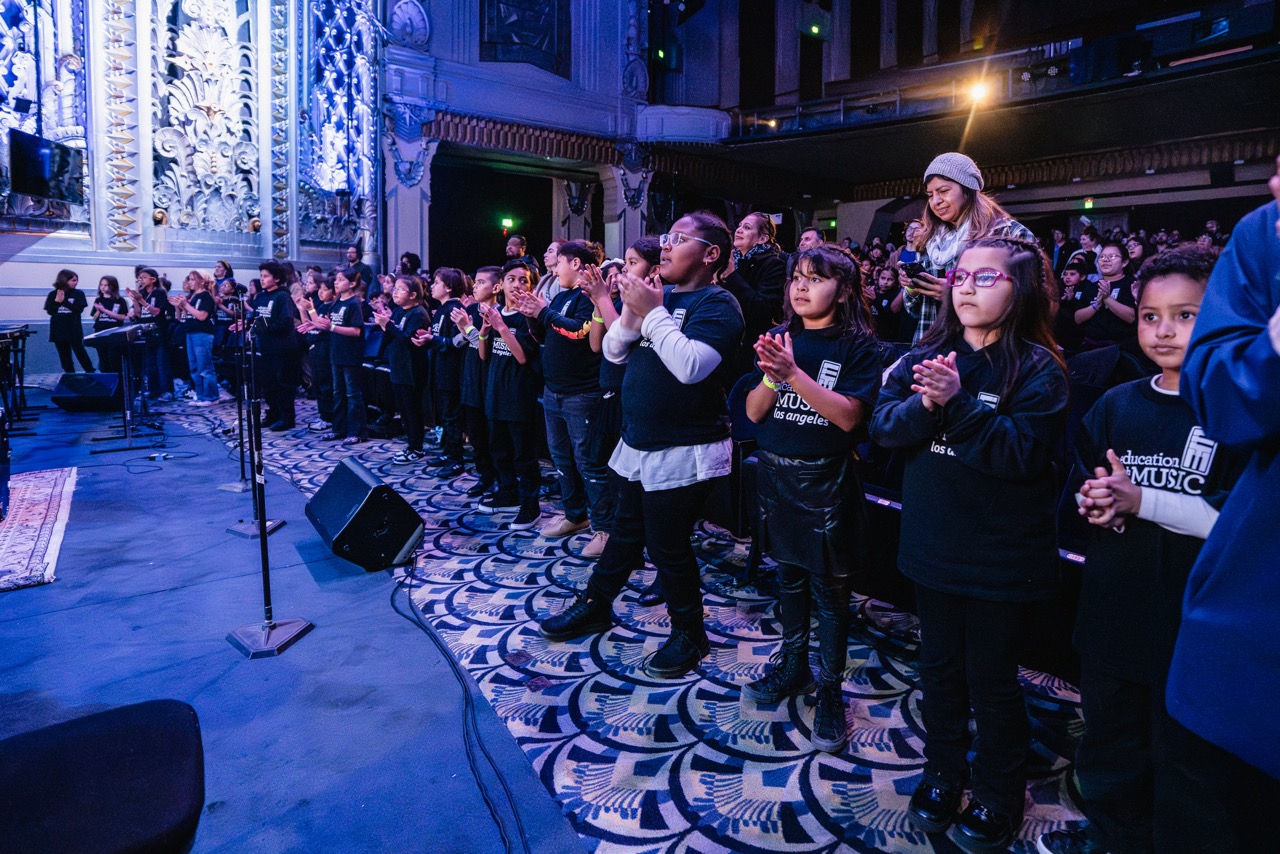
Representation isn’t just a buzzword—it’s about making sure young people see themselves reflected in what they learn and hear. Since ETM-LA’s founding in 2006, the majority of our student populations have come from Latin/Hispanic families. This annual celebration empowers the students we teach and changes how they imagine their futures.
Numerous studies indicate when students see themselves represented in school materials, it boosts self-esteem and fuels ambition (The Representation of Social Groups in U.S. Education Materials and Why it Matters, newamerica.org). In music education, culturally responsive teaching helps students connect personally with the repertoire, building confidence while honoring the traditions of their families.
Best Practices for Culturally Responsive Music
Adapted from Hyesoo Yoo (2017): Multicultural Choral Music Pedagogy Based on the Facets Model
How can we make sure Hispanic Heritage Month music celebrations are respectful, engaging, and authentic? Here are some guiding principles:
- Teach the music’s historical and cultural background.
- Compare originals with arrangements. Ask: does this version honor the intent of the music? What’s different?
- Learn the music aurally, or through other valid processes.
- Use authentic instruments whenever possible. A guiro, bongos, or maracas can transform how a song feels.
- Study authentic performances. Watch musicians from the culture perform, not just polished concert versions.
- Respect cultural norms. Performance styles, audience expectations, and even dress can carry meaning.
- Create space for students. Invite them to share what they know or how their families celebrate.
These steps don’t just make music more fun—they make it more meaningful.
Songs and Stories That Bring Heritage to Life
Hispanic Heritage Month is the perfect time to explore both traditional and contemporary music. Here are a few highlights:
- Children’s Songs of Mexico:
- A la Rorro Niño – A soothing lullaby sung to babies.
- Un Elefante Se Balanceaba – A playful counting song about elephants balancing on a spider web.
- Luz de la Mañana – A cheerful song welcoming the morning light.
These pieces are perfect for young learners and beginning ensembles, showing that heritage can be celebrated in everyday classroom music.
- Dance Rhythms That Travel:
- Cumbia (Colombia/Mexico): Infectious, upbeat, and impossible not to move to.
- Merengue (Dominican Republic): Lively and fast-paced, perfect for teaching rhythm and ensemble coordination.
- Icons Who Shaped Music Across Borders:
- Marc Anthony (Puerto Rico): Salsa superstar whose Vivir Mi Vida is a celebration of joy, resilience, and living fully.
- Selena Quintanilla (Texas/USA): The Queen of Tejano whose Bidi Bidi Bom Bom continues to capture hearts worldwide.
- Celia Cruz (Cuba): Beloved Queen of Salsa, reminding us with La Vida Es Un Carnaval that life is beautiful, when lived singing.
- Karol G (Colombia): A contemporary reggaeton powerhouse whose Mientras Me Curo del Cora speaks honestly about self-care and healing.
Each of these artists represent a different era and style, but together they show the depth and evolution of Latin music.
More Than a Month
Hispanic Heritage Month is a time to celebrate—but it’s also a chance to learn, reflect, and connect. By weaving music into the celebration, we don’t just observe history; we bring it to life.
So this year, whether you’re singing a lullaby, dancing cumbia, or belting out Selena, remember that every note carries a story. Celebrate loudly, celebrate joyfully, and always celebrate with respect.
¡Viva la cultura!