
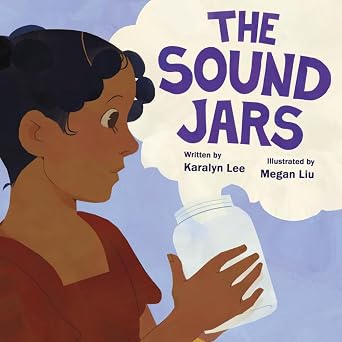
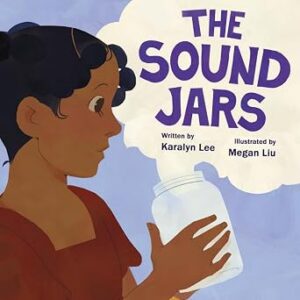
Victoria: Karalyn, you wrote a children’s book called The Sound Jars which deals with emotions, grief, and capturing important moments. Thank you for connecting with us at ETM-LA to talk about your journey.
Can you share more about the genesis of how this book came about?
I was scared of losing my connection to my great-grandma on my Dad’s side. We used to visit every Sunday after church. So there were lots of core memories growing up with her; she was over 100 years old when she passed away.
I was really young when I experienced her passing, and I didn’t want to ever forget her. So I developed this idea of sound jars to honor her memory. This book is for young readers—it’s great for Pre-K through early elementary grade levels. I wrote this book with the intent of helping kids understand grief and major changes in life.
What has been the response?
I was surprised by the overwhelming response. When I released the book, not only were children touched by it, but adults were able to relate to my book. It was initially written as a children’s book to introduce these complicated ideas without using complicated language. I wanted it to be approachable and a way for young children to honor someone’s memory in their own way.
I chose sound because it’s something we can typically take for granted. A loved one’s voice, or even the everyday sounds we barely notice, can become some of the things we remember most after someone is gone. In the book, Nia is trying to collect sounds in jars. Sounds are hard to hold. They’re a bit more abstract. The sounds Nia collects are tied to memories she already has with her grandmother, so collecting them becomes her way of trying to hold onto those moments.
Over time, Nia realizes she doesn’t need to preserve every sound to hold onto the memories connected to them.
Do you play music as well?
Yes, I grew up playing a few instruments, and I started playing the violin in middle school. What I love most is listening to different melodies and sounds. One of my favorite parts of music is being able to close my eyes and think back to childhood memories and the people who are important to me. I would have loved to share that with my great-grandma when I was younger.
Even though music isn’t something you can physically hold onto, the emotions and memories it captures stay with you. That idea—that something as temporary as sound can hold so much meaning—is part of what inspired my writing.
Why is music education so important for every child?
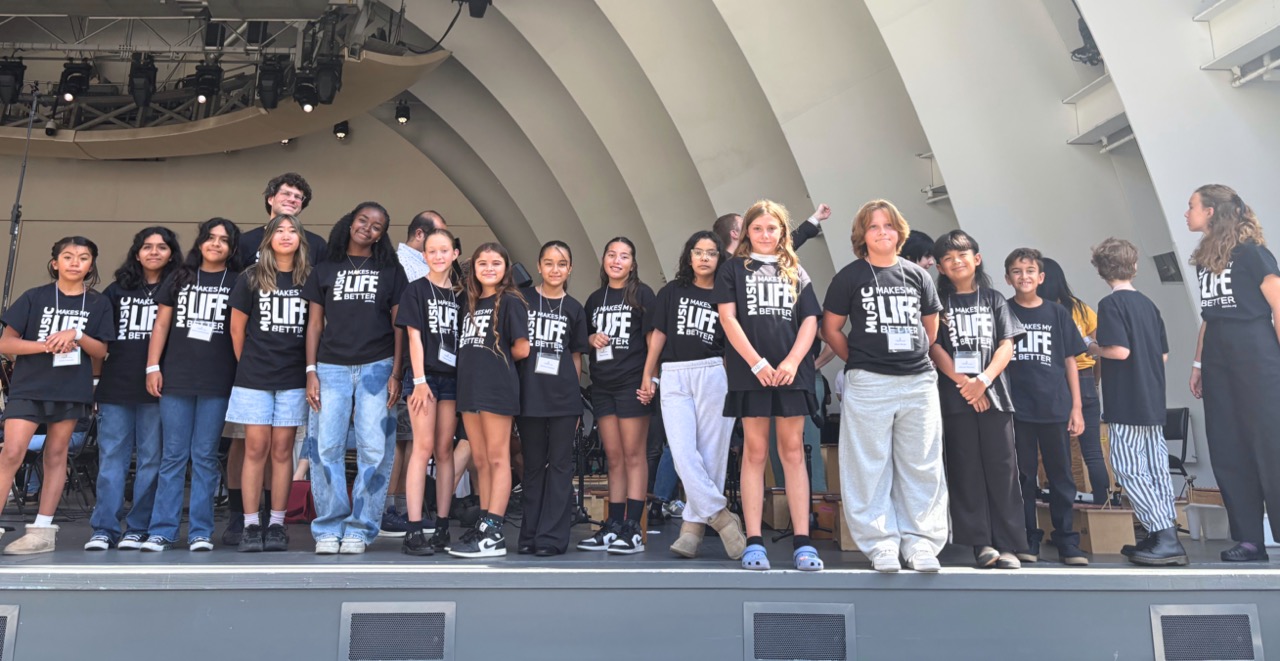
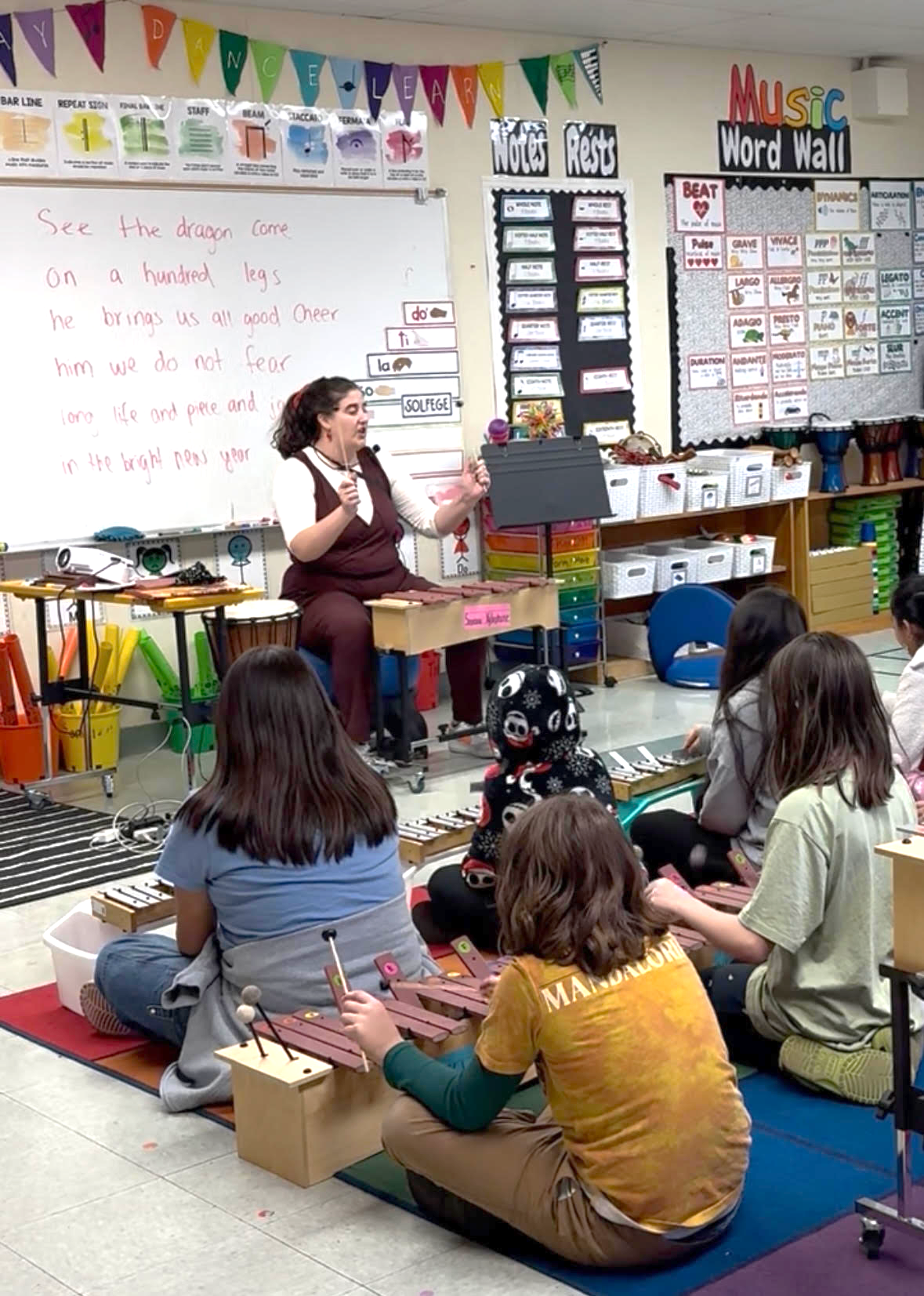
I think music education is invaluable because it gives children a way to express themselves that they might not find anywhere else. Playing an instrument can help people connect with emotions they might not fully understand themselves, without having to put them into words. It teaches you to slow down and appreciate the small differences in sound. I believe every child should have the chance to find their own connection to music and discover what it might mean to them. That’s why I admire what Education Through Music-LA is doing. Every child deserves the chance to experience music, regardless of the resources available to them.
The Sound Jars can be found on Amazon (12% discount applied to order)
—
Education Through Music-Los Angeles is an independent 501(c)(3) non-profit organization whose mission is to provide and promote music in under-resourced schools as part of the core curriculum for every child in order to enhance students’ academic achievement, creativity, and overall development.
For more information: www.etmla.or