

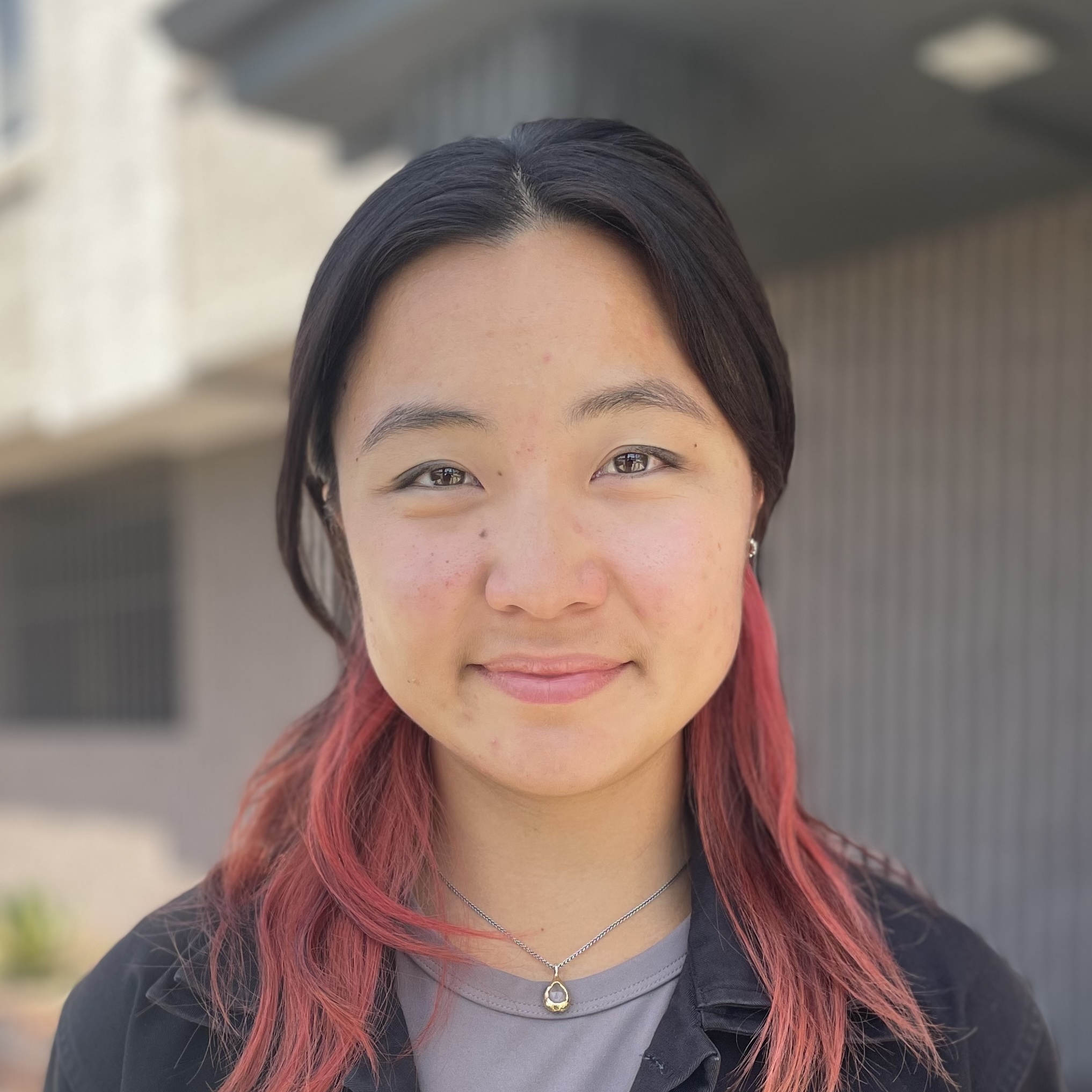
Spotlight on Diane, Development Coordinator
“It’s been incredibly fulfilling to be with ETM-LA, doing my part to share music with the next generation!”
Please share a little about yourself and what brought you to ETM-LA.
After finishing my degrees in Biological Anthropology and Business Psychology at UC San Diego (essentially thinking about what makes humans human), I underwent a gradual self-exploration to figure out what I’m truly passionate about, without the influence from external expectations. At the top of this year, I joined Suara Southeast Asian Choir and Symphony of the Verdugos – both of which have been amazingly welcoming and warm community music ensembles. Being a part of these groups helped me develop an appreciation of Los Angeles, especially its arts and cultural scene, and strengthened my love for music’s ability to bring people together and create bountiful opportunities. I was also looking for a change and growth in my career, particularly to make a difference in the local community through music.
Two Suara members who are both ETM-LA music teachers told me about the organization. I remember going through ETM-LA’s website and being so impressed by the mission and accomplishments. There was a job opening that seemed to align with my values and experiences, so I sent in my application excitedly – the rest is history! It’s been incredibly fulfilling to be with ETM-LA, doing my part to share music with the next generation!
How has music shaped your life?
Music has been a throughline of every life chapter. Growing up, taking piano lessons was non-negotiable, but that built a habit of practicing and appreciating music as a way to fully express and ground myself. I always find that playing music, whether on an instrument or singing in the car, rejuvenates me.
The most prominent way I’ve seen music shape my life, and other people’s lives (aside from having perfectionist and timeliness tendencies), is in cultivating community. Many of my closest friends have been made through creating music together, and I believe that while one factor of this is the many hours spent together in rehearsal, another is the process of working together, listening to each other, blending, and balancing our sounds, that forms a unique bond from the vulnerability and openness required to make meaningful music. So, music has helped me not only process emotions and thoughts, but also develop strong friendships.
When I moved to LA, I struggled to enjoy the city – even though there was so much to do, I couldn’t find anything that made me want to stay. Then, when I joined Suara Southeast Asian Choir and was warmly welcomed by the community, my roots found something to hold onto; I love singing alongside such a talented and gentle-hearted group, especially while uplifting Asian cultures. Music has gifted me with community, and it has fed a feedback cycle of encouraging me to seek musical experiences with others, building a bigger community, and creating more opportunities to share musical experiences.
What are you hoping to gain from this role?
I’m excited to become more familiar with what (and who) influences and shapes the music culture in LA. I hope that through my work in developing and bolstering support for music education in LA, I can help nurture opportunities, resources, and connections to make a positive impact in the richly diverse music community.
What has been the most surprising part of your time with ETM-LA so far?
The only thing that comes close to how much we love music, is chocolate! Since being with ETM-LA, I’ve started considering whether there’s a correlation between musicians and chocolate-lovers.
Why is music education so important for every child?
Music education is non-negotiable. I believe that music (and art) is the pinnacle of being human because of how it requires vulnerability, empathy, and perseverance, in a way that no other activity does. To not engage with art is to not fully experience humanness, though every person seems to have an innate instinct to notice beauty and therefore artfulness, which I also believe indicates the undeniability that experiencing art is a part of being human. To not learn music is to have a dampener on being human. What better way, than through music, is there to learn active listening skills, creativity, teamwork, self-discipline, patience, and resilience?
From a more scholastic perspective, knowing music history is also a great way to learn about human history. Since music is often used for self-expression and bringing people together, pieces can be contextualized with what they were written in response to, by understanding the emotions being conveyed, knowing why certain instruments were included in those songs (i.e. knowing how advanced instrument craftsmanship was), etc.